The quote came back this morning, and the ute is booked for a job on Monday. Tradies, farmers, fleet operators and owner-operators all land in the same spot eventually, sitting in the cab doing sums instead of loading the trailer.
A repair is worth doing while it costs less than the reliable service the same money would buy somewhere else. The number that decides it is not what the ute would fetch if you sold it. It is what putting another vehicle on the road, doing the same job, would cost you. Resale value is what the ute is worth to somebody else. Replacement cost is what you have to spend to get back to where you were before the fault. Judge the repair against the second number, not the first.
A workshop has an obvious interest in the repair. So here is the honest part first: sometimes the right answer is to stop spending on a vehicle. The same thinking works for an older private ute or wagon.
Repair or replace: the four numbers that decide it
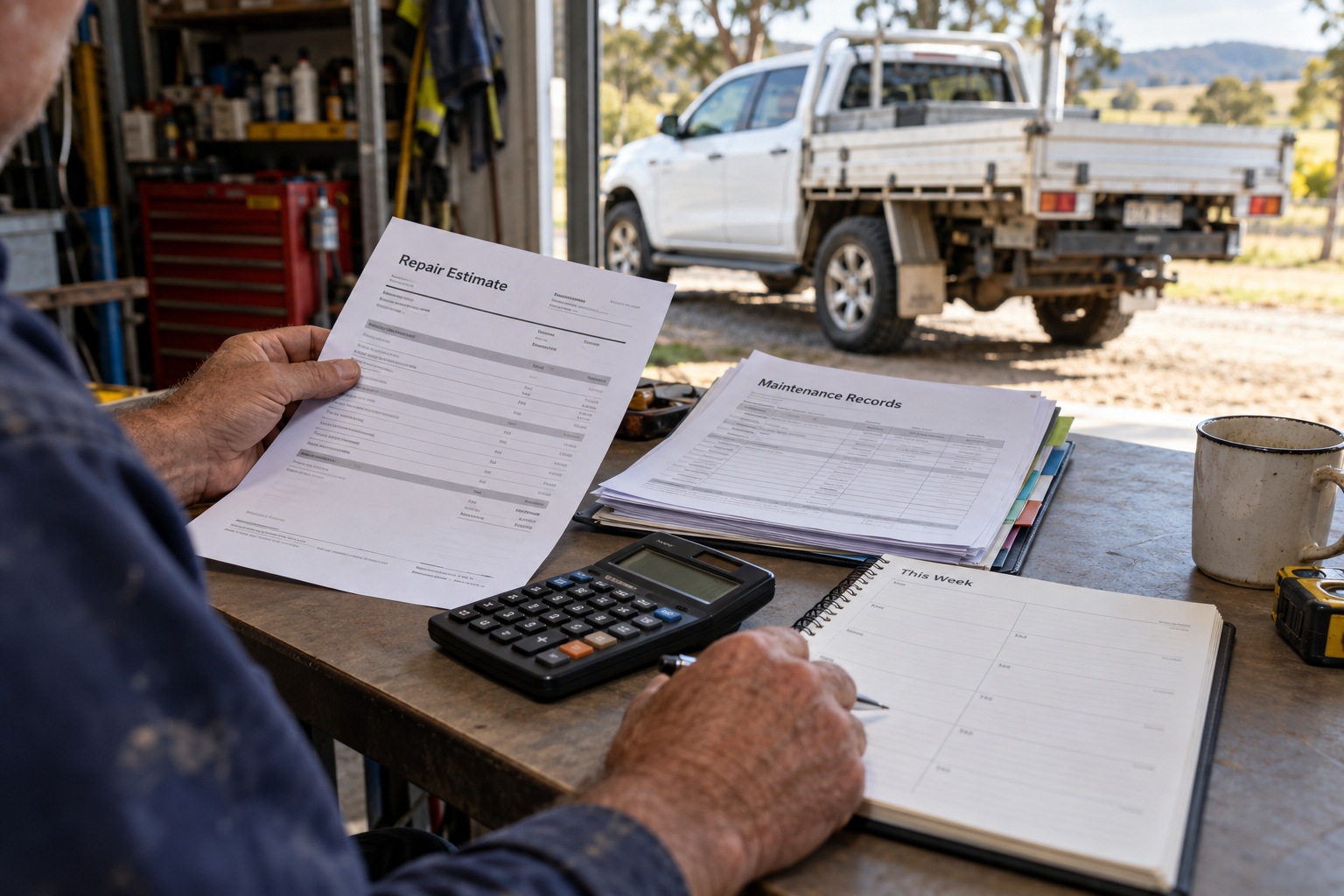
Four numbers decide this question, and only one of them is on the paper in your hand.
Add the first number to the second, and compare the total against the third. Then ask how many months of the fourth the repair buys before you are back here again.
- What the repair costs. Get it in writing and itemised, with parts and labour set out separately. A figure given over the phone does not count.
- What the ute will need next. Look at what has been replaced in the last two years, and at what is close to needing it.
- What replacing it would cost to put on the road doing the same job. Not the advertised price of another ute. That price, plus the tray or canopy, the tow bar, the racks, the transfer and registration costs, and the hours spent finding the right one.
- What the ute earns or saves while it is working. Work out roughly what one available week of it is worth to you.
There is no percentage that settles this, and no kilometre reading past which a ute stops being worth fixing. Those rules get repeated because they are easy to remember, not because they hold up.
Is it worth repairing a ute with high kilometres?
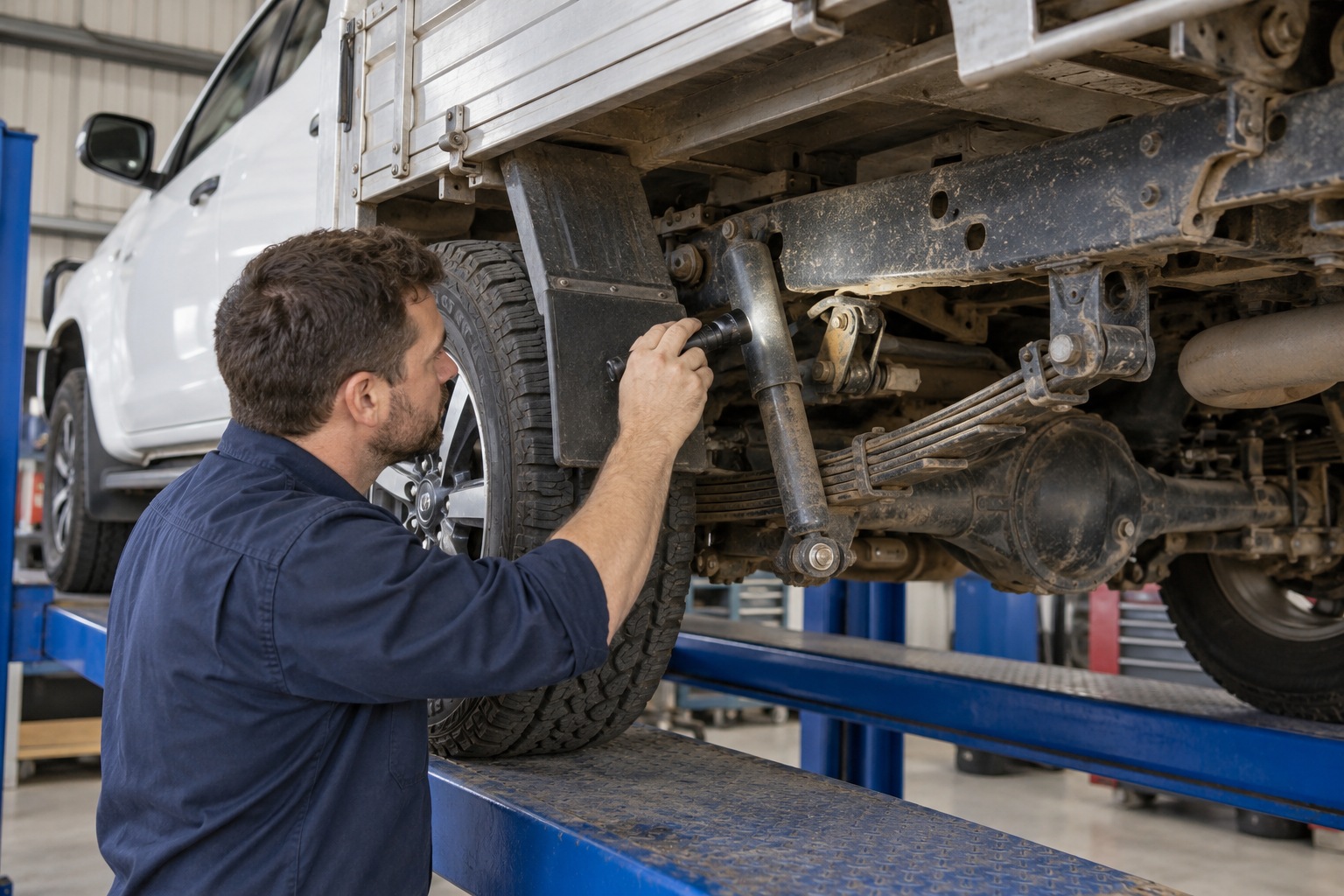
High kilometres on their own settle nothing. What matters is which kind of repair you are being asked to pay for.
Wear items are the first kind, and they are usually worth doing. These are the parts a vehicle is built to have replaced as it goes along. Paying for them returns the ute to a known condition.
The second kind is different. Three faults in particular tend to end the argument.
- Structural rust. Rust in the structure is expensive and hard to price before the work starts. It is rarely worth chasing on a vehicle that has to keep working. The job usually grows once panels come off.
- A tired engine or gearbox. When compression has gone, or the shift quality has gone, you are not restoring a known condition. You are renewing one large assembly on a vehicle whose other large assemblies are the same age.
- A fault chased twice already. A fault chased twice is usually not one fault. It is either more than one thing wrong or a diagnosis that has not landed, and the third attempt is rarely the last.
If the decision lands on keeping the ute, the next useful question is what a service on a working ute should be looking at.
Why the pattern of spend tells you more than one quote

One bill is not a pattern. Four bills in twelve months is, and it says something the individual quotes cannot.
Pull out the invoices from the last year or two. You are looking for two things: what has been spent, and whether it held. Money spent on a vehicle that has been trouble free since is money that worked. Money spent three times on the same area is money that has not.
A large bill on a ute that has given no trouble for two years is one decision. The fourth bill this year is a different one. The first is a vehicle asking for something it needs. The second is a vehicle telling you where it is up to.
Should you fix the work ute or buy another one?
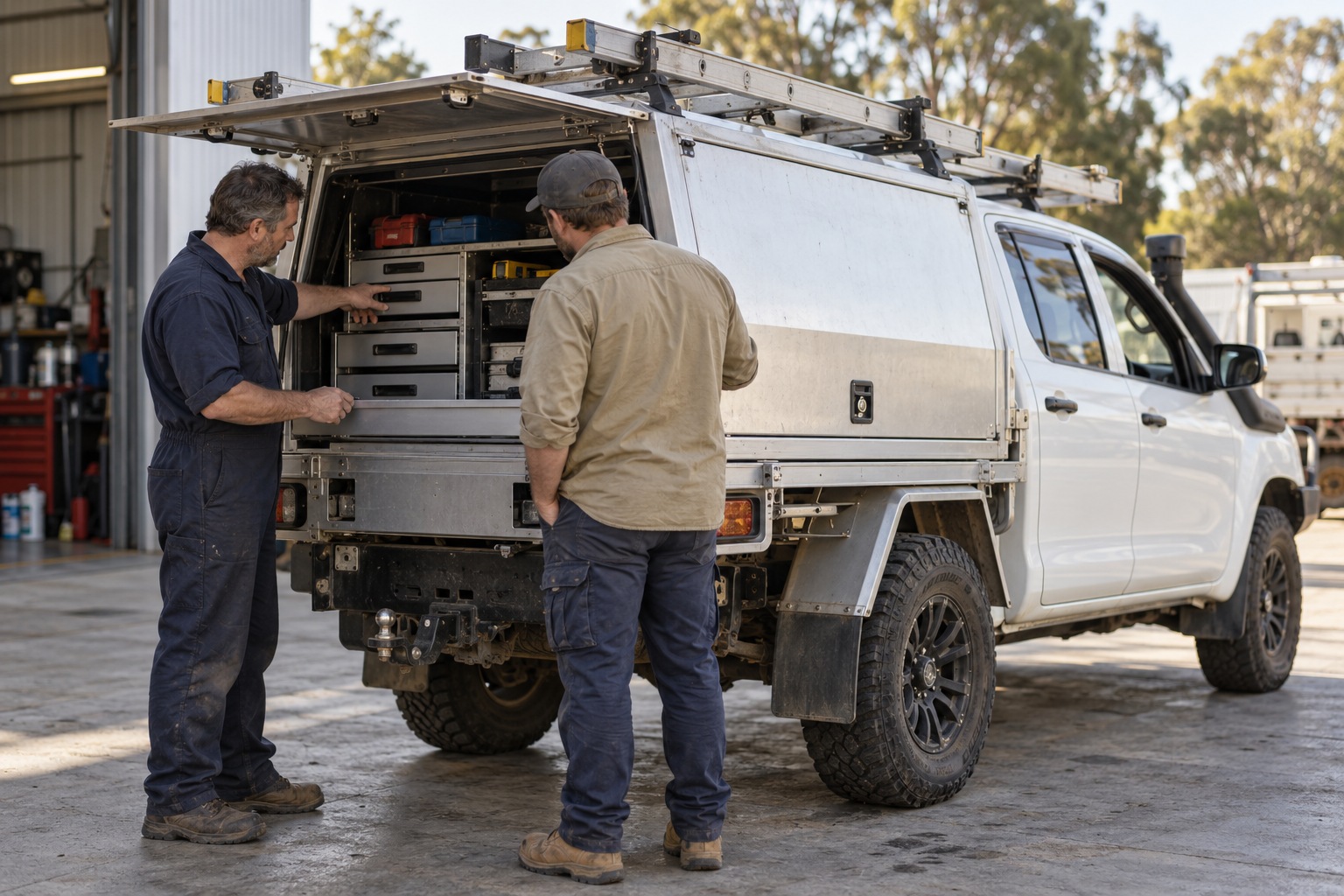
A work vehicle carries one cost a private one does not: the days it spends off the road.
A day without the ute is not a free day. It is a job moved, a customer told to wait, or a hire vehicle nobody budgeted for. That cost pushes the answer toward the faster fix more often than the other numbers alone would.
Replacement out here is also slower than it looks on a screen. A comparable ute needs the right tray and a towing setup that suits the work. One like that is often in Melbourne, or somewhere else across Gippsland. The search runs into weeks rather than an afternoon. Every one of those weeks is a week the current ute still has to do the job.
So the replacement figure in your four numbers is not only a price. It is a price plus a wait.
When to get a second opinion before you decide

A second opinion is worth the delay whenever the quote does not explain itself.
Three situations are worth pausing on. A quote to replace a major component with no diagnosis behind it, where nobody has said which test pointed at that part. A fault described in symptoms rather than causes, so the price aims at what you noticed rather than at the cause. And any quote you cannot get itemised.
Consumer Affairs Victoria sets out what to ask for before work starts. Get a written estimate covering the work to be done, the parts to be supplied, the estimated time to finish, and the estimated parts and labour costs. Say plainly that you must be called before any work you have not authorised begins. Before you pay, ask for an itemised account listing the work done and how the costs were worked out.
Expect some movement in that estimate, because unexpected findings come up once components are removed. What you should not expect is to hear about them afterwards. A workshop handling mechanical repairs properly rings you before it carries out work you have not agreed to.
Frequently asked questions
How much is too much to spend on an old ute?
There is no fixed ceiling, and any figure offered as one is guessing at your situation. The useful limit is the point where this bill plus the next likely bill gets close to what a replacement costs. That means a replacement on the road, doing the same work.
When should you stop repairing a vehicle?
Stop when the spending no longer returns the vehicle to a known condition. Rust in the structure, a worn out driveline, and a fault that has beaten two attempts all point the same way. At that stage the money holds a position rather than fixing anything.
Is it worth fixing a ute that keeps breaking down?
Repeat breakdowns change the question from what one repair costs to what the run of them costs. If the same area keeps returning, you are paying for one problem more than once, and replacing the vehicle starts to compete.
Does resale value tell you whether a repair is worth doing?
No, and leaning on it is the most common way this decision goes wrong. Resale value measures what the vehicle is worth to a buyer, not what it is worth to you. Weigh the repair against the cost of putting another vehicle to work instead.
Decide on a confirmed fault, not a symptom
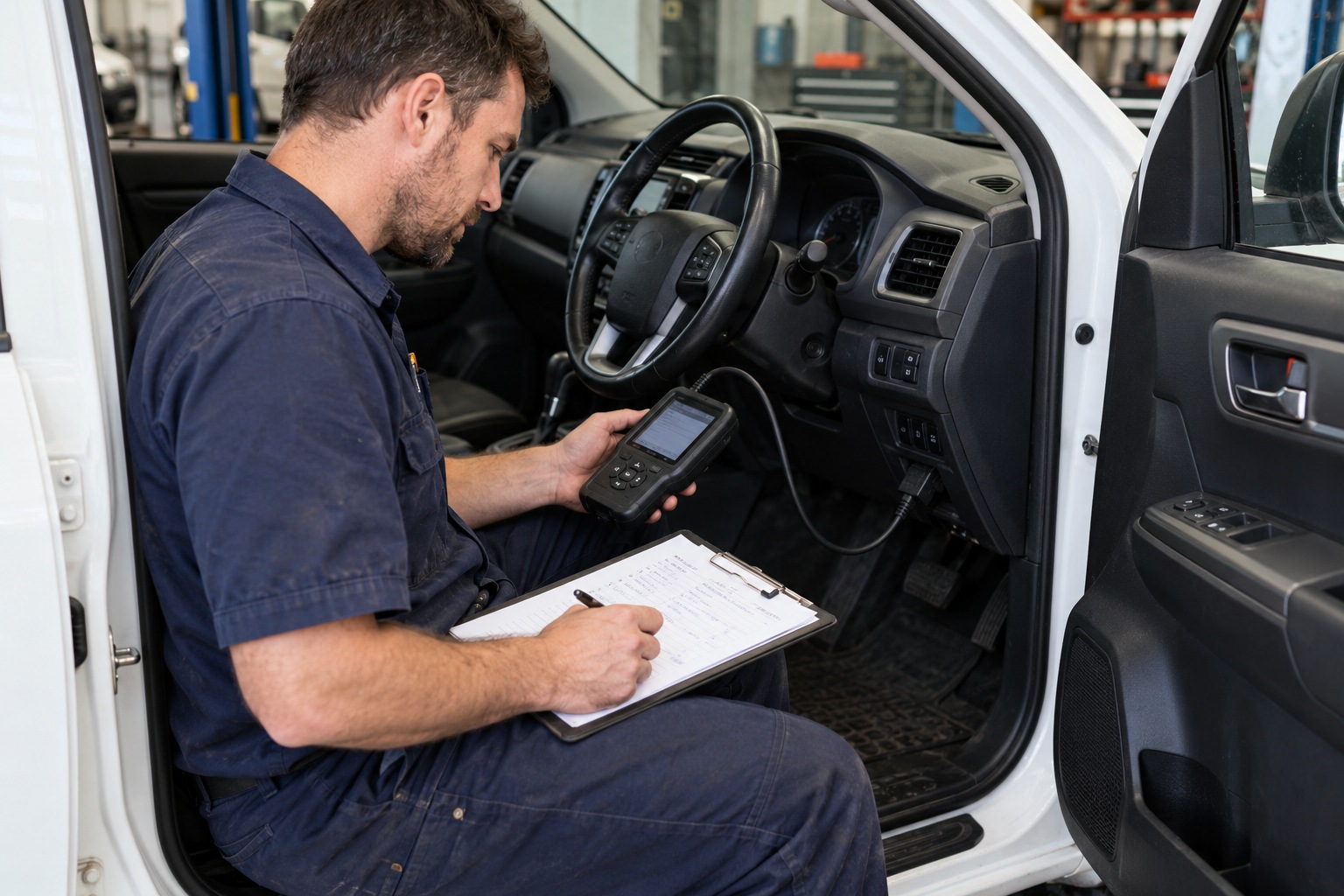
Whatever you decide, decide it on a fault somebody has confirmed on the vehicle. Decide it on a quote you can read line by line. That single step costs very little and changes the answer more often than any rule of thumb will.
If you want that done before you commit either way, Lloyd St Automotive can be reached through the contact page. Having the fault confirmed and the quote itemised does not commit you to the repair.