
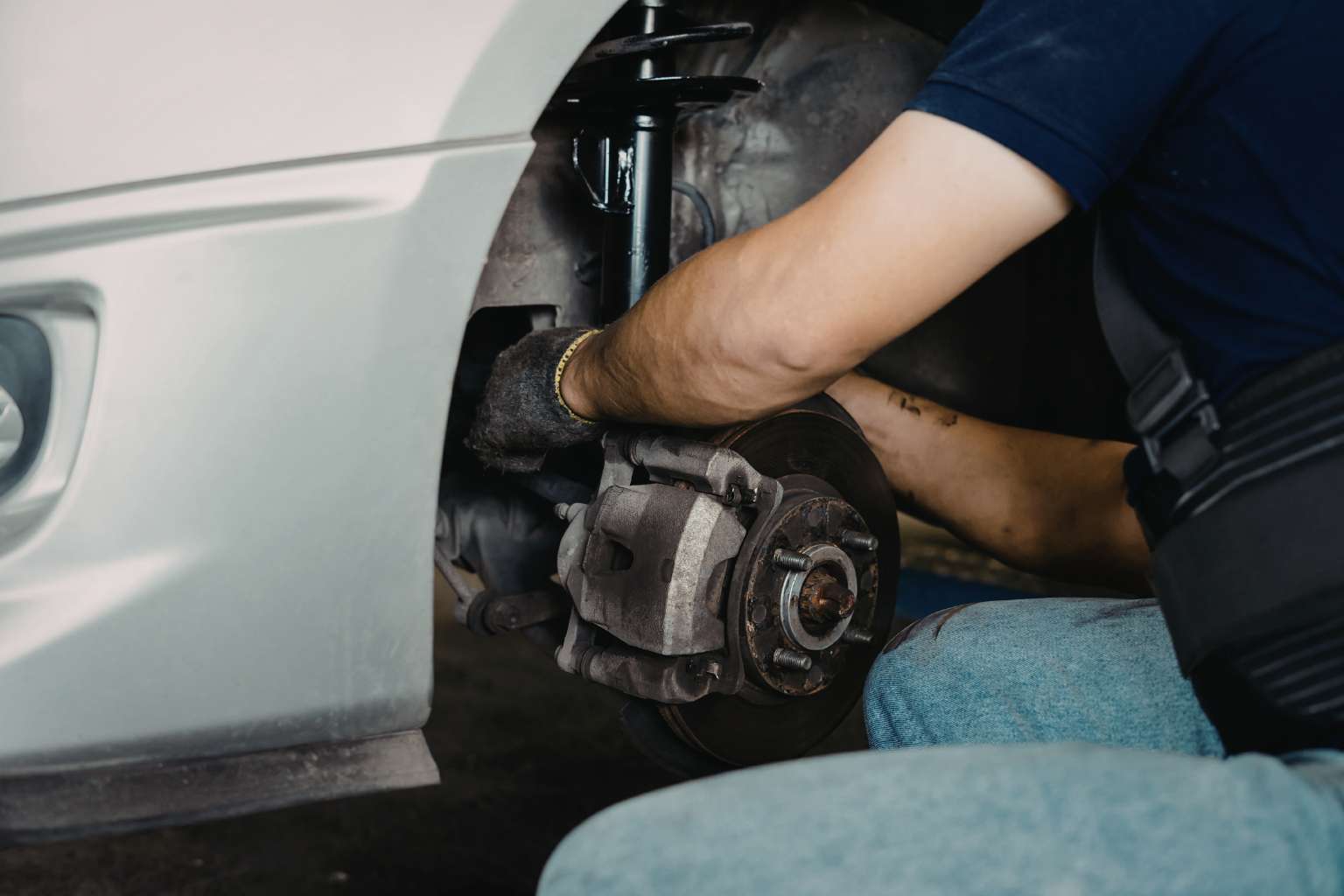
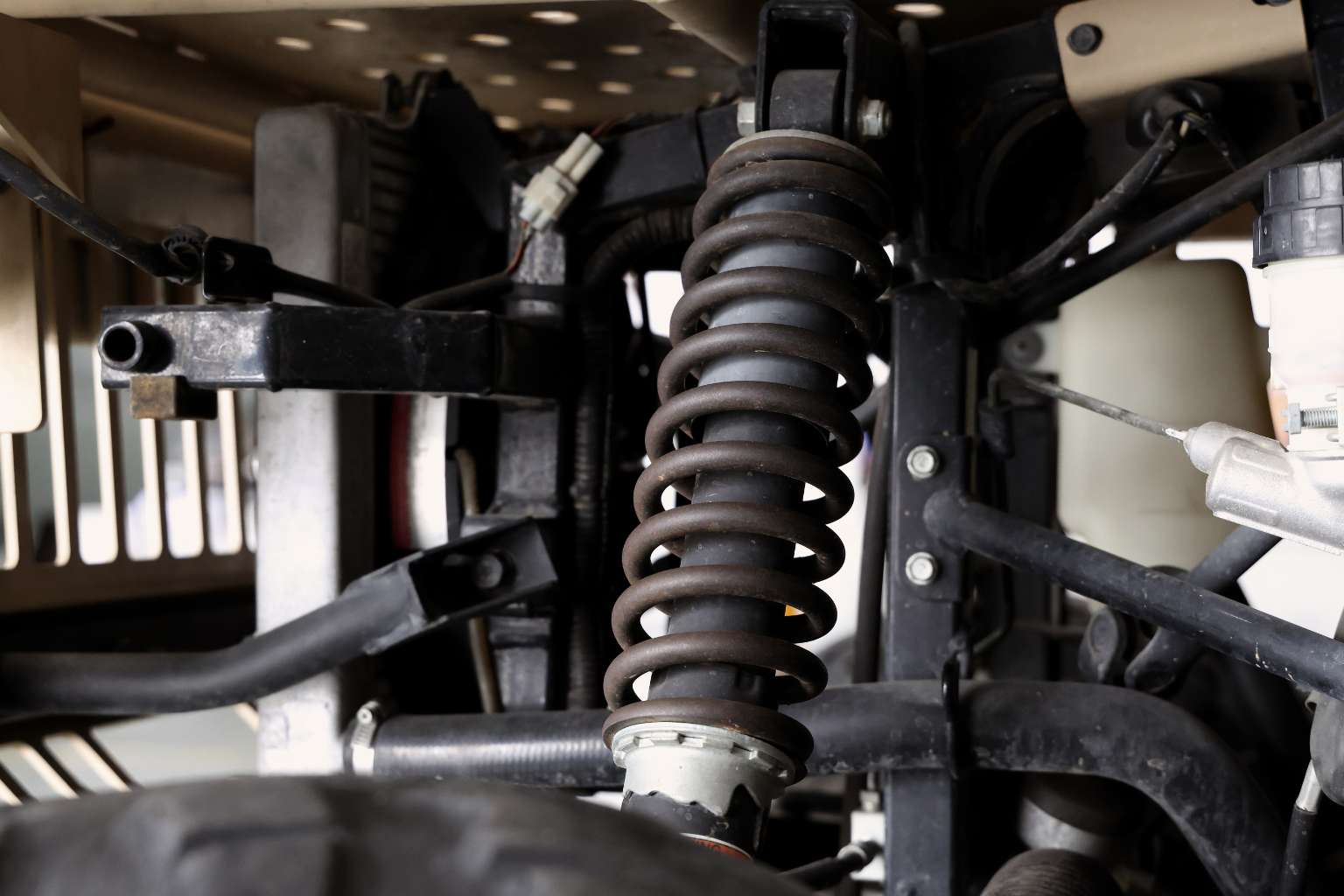
Suspension wear is gradual. By the time you notice something feels off, the problem has often been building for months. Knowing what to look and listen for can save you a significant repair bill and keep you safer on regional roads.
Most drivers think of their suspension as a comfort system. Springs and shock absorbers smooth out the bumps so the ride feels pleasant. That is true, but it undersells what the suspension does. It is the system that keeps your tyres in contact with the road surface. It controls weight transfer when you brake. It prevents the body from rolling through corners. It holds your wheels in alignment.
When any part of that system starts to wear, the effects ripple outward. Tyres wear unevenly. Braking distances increase. Steering becomes vague. And the longer it goes unaddressed, the more expensive the eventual repair becomes, because worn components place extra load on everything around them.
What worn suspension feels like from the driver’s seat
Suspension problems rarely announce themselves with a single dramatic event. The shift is incremental. You adjust to a slightly bouncier ride without noticing it. You compensate for steering that wanders a fraction to the left. You press the brake pedal a little earlier at the roundabout because stopping takes a touch longer than it used to.
That gradual adaptation is what makes suspension wear dangerous. By the time it feels obviously wrong, the components may have been underperforming for thousands of kilometres.
There are, however, reliable warning signs if you know what to pay attention to.
The bounce that doesn’t settle
Healthy shock absorbers control the rebound of your springs after a bump. When they wear, the car continues to bounce after hitting an imperfection in the road. If you press down firmly on one corner of the car and release, it should settle within one or two oscillations. If it keeps bouncing, the shocks on that corner are no longer doing their job.
On the corrugated back roads around the Latrobe Valley, worn shocks amplify the effect of every ridge and ripple. Rather than absorbing the surface, the car starts to float and skip. At highway speeds, that floating sensation translates directly into reduced tyre grip.
Uneven tyre wear
Your tyres are one of the most visible indicators of suspension health. When shocks or springs are worn, the tyre cannot maintain consistent contact with the road. The result is a distinctive wear pattern: cupping or scalloping, where alternating high and low spots appear around the tread. You might also see excessive wear on the inner or outer edge of a tyre, which points to alignment issues caused by sagging or damaged suspension components.
Running your hand flat across the tread surface is a simple check anyone can do. If it feels lumpy or uneven rather than smooth, something in the suspension or alignment is off. Catching it early means replacing a set of shocks rather than a set of shocks and a set of tyres.
Nose dive under braking
When you brake, the car’s weight shifts forward. Well-functioning shocks control that weight transfer, keeping the vehicle level and ensuring all four tyres contribute to stopping. When the front shocks are worn, the nose dips sharply under braking, lifting weight off the rear tyres. The result is a longer stopping distance and a car that feels less stable in an emergency stop.
Industry testing has shown that worn shock absorbers can increase braking distance by 15 to 20 per cent. Monroe, one of the major suspension manufacturers, found in controlled tests that vehicles with worn shocks needed up to 7.6 metres of additional stopping distance on dry roads. That is more than the length of a car, and on a wet regional road at 100 km/h, it could be the difference between stopping in time and not.
Body roll and drift
If the car leans noticeably through corners or feels like it sways when changing lanes, the anti-roll bars, bushings, or shocks that control lateral movement may be wearing. Excessive body roll reduces the grip available to the outside tyres in a turn. For drivers navigating the winding roads between Moe and Noojee or heading up through the hills toward Mount Baw Baw, that lost grip is a genuine safety concern.
A car that pulls or drifts to one side on a straight, flat road is another sign. While this can also indicate a tyre pressure issue or alignment problem, it is often linked to uneven suspension wear, particularly if one side of the car has taken more punishment than the other.
Clunks, knocks, and creaks
Noise over bumps is one of the more obvious symptoms. Worn bushings (the rubber mounts that cushion suspension joints) tend to creak or knock as they lose their ability to absorb movement. Ball joints and control arm bushings that have dried out or split produce a metallic clunking, especially at low speed over speed humps or uneven surfaces.
A useful self-test: drive slowly over a speed hump with the windows down. Sounds you might not hear at highway speed become much more apparent when there is no road noise to mask them.
Why this matters more on regional roads
Suspension components have a typical service life of 50,000 to 100,000 kilometres under normal conditions. Regional driving, with its mix of unsealed roads, corrugations, potholes, and variable surfaces, compresses that lifespan. The constant small impacts of gravel roads stress bushings and mounts. Temperature swings in the Latrobe Valley’s climate cause rubber components to harden and crack faster. Loading a vehicle for a camping trip or hitching a trailer adds further strain.
On top of that, regional roads are less forgiving when something goes wrong. A car with worn suspension on a sealed suburban street is uncomfortable. The same car on a gravel road at 80 km/h, with reduced tyre contact and longer braking distances, is a genuine hazard.
What happens when you leave it too long
Suspension components are designed to work as a system. When one part wears, it shifts load to everything connected to it. Worn shocks cause uneven tyre wear, which means premature tyre replacement. A sagging spring puts extra strain on the opposing shock and the mounting hardware above it. A failed bushing allows movement that accelerates wear on the ball joint it sits beside.
What starts as a $300 to $500 shock absorber replacement can, if left unaddressed, become a $1,500 to $2,000 job involving shocks, springs, control arms, bushings, and a wheel alignment. That escalation is not theoretical. It is one of the most common repair progressions any workshop sees.
The simplest way to break the cycle is to have the suspension inspected as part of every routine service. At Lloyd Street Tyre and Auto in Moe, suspension and steering checks are a standard part of the service process, not an upsell. The workshop has specialised in suspension work across the Latrobe Valley since its establishment in 1940, and carries out GVM upgrades and heavy-duty suspension fitments alongside routine inspections.
Catching a worn bush or a weeping shock absorber during a scheduled service costs very little in comparison to replacing multiple failed components after the damage has cascaded.
The short version
If your car bounces more than it used to, if the tyres are wearing unevenly, if the nose dips hard under braking, or if something clunks o ver bumps that never used to, those are not quirks to live with. They are early warnings that the suspension needs attention.
On regional roads where the surface is rougher, the speeds are higher, and help is further away, a well-maintained suspension is not a luxury. It is the system that keeps your tyres on the road and your brakes working as they should.
Lloyd Street Tyre and Auto is at 85 Lloyd Street, Moe. Call (03) 5127 3588 or visit lsta.com.au.